The short answer
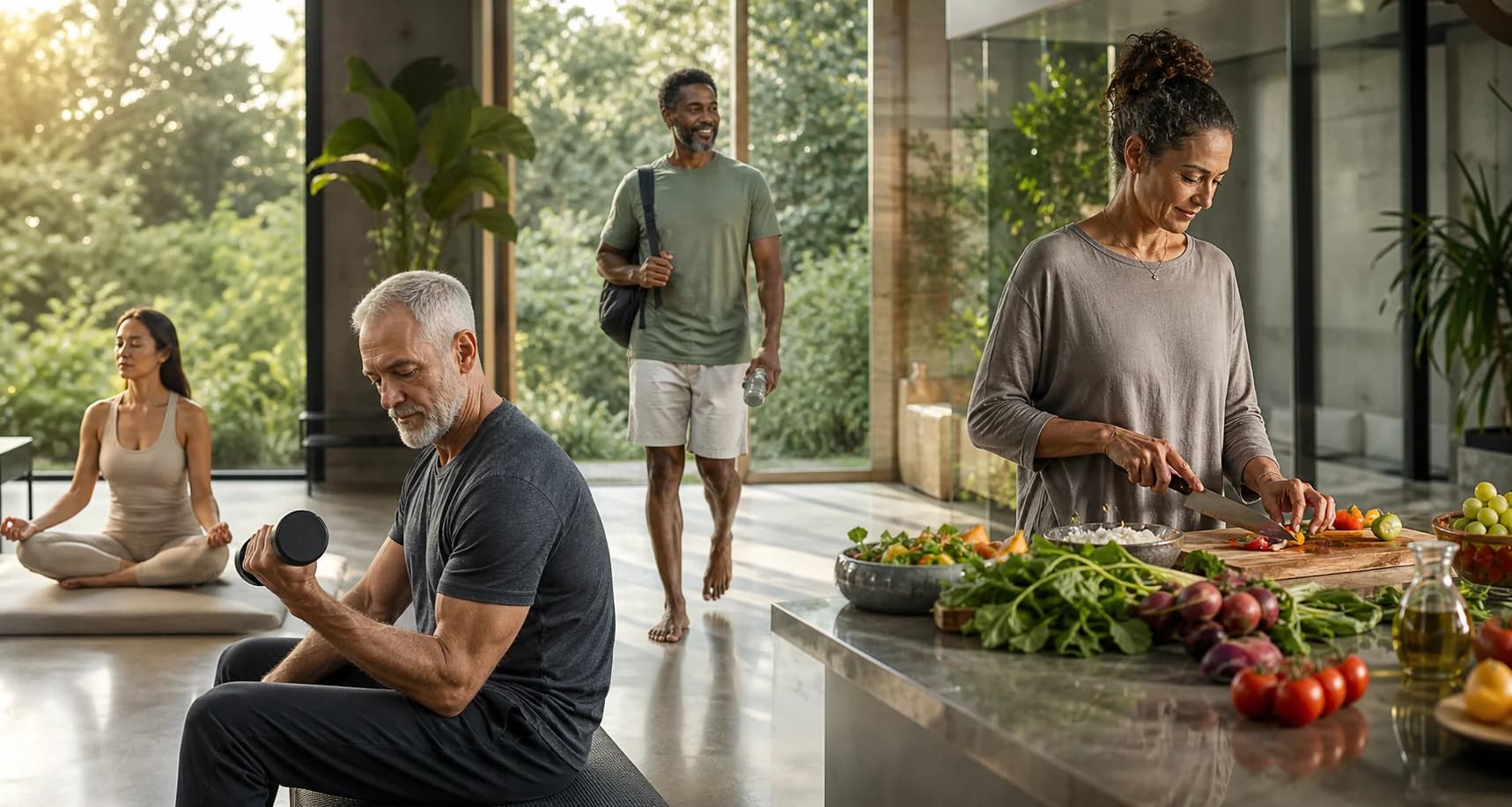
Healthspan is not built by one miracle habit. It is built by a set of ordinary systems that protect how well you move, think, sleep, recover, connect, make decisions, and live inside your body.
The 10 Healthopathy foundations are:
- Daily movement
- Strength, balance, and mobility
- Food pattern
- Sleep and circadian rhythm
- Cardiometabolic basics
- Tobacco, alcohol, and environmental exposure
- Stress regulation and mental health
- Prevention and medical care
- Relationships, purpose, and culture
- Sexual wellbeing
That list is not glamorous. Good. Glamour is often where wellness content starts lying.
If you want a longer, stronger, more functional life, the first job is not to chase the newest supplement, fasting protocol, cold exposure routine, or biological-age test. The first job is to build a life where your body gets enough movement, enough load, enough sleep, enough real food, enough prevention, enough connection, and enough medical honesty.
Everything advanced has to earn its place after that.
Read this before choosing habits
Health advice often fails because it talks to an imaginary person.
That imaginary person has a private gym, flexible schedule, money for every test, perfect food access, no pain, no children waking them up, no night shifts, no trauma, no cultural food pressure, no caregiving load, no unsafe neighborhood, and no medical debt.
Real people are not like that.
A good healthspan plan has to work for a 28-year-old desk worker who sleeps too late, a 42-year-old parent with no time, a 55-year-old with rising blood pressure, a 67-year-old trying to keep independence, a person with low libido and shame, a person with diabetes risk, and a person who cannot afford a $300 wellness stack.
That is why the foundations matter. They are not a perfect routine. They are a decision filter.
Before adding a new health trend, ask:
- Does this protect function?
- Does it reduce a real risk?
- Does it fit my life well enough to repeat?
- Does it create anxiety, injury, shame, or expense?
- Would I still do it if nobody could see it online?
- Is there a simpler foundation I am ignoring?
If the trend cannot survive those questions, it is probably not your next move.
The 10 foundations at a glance
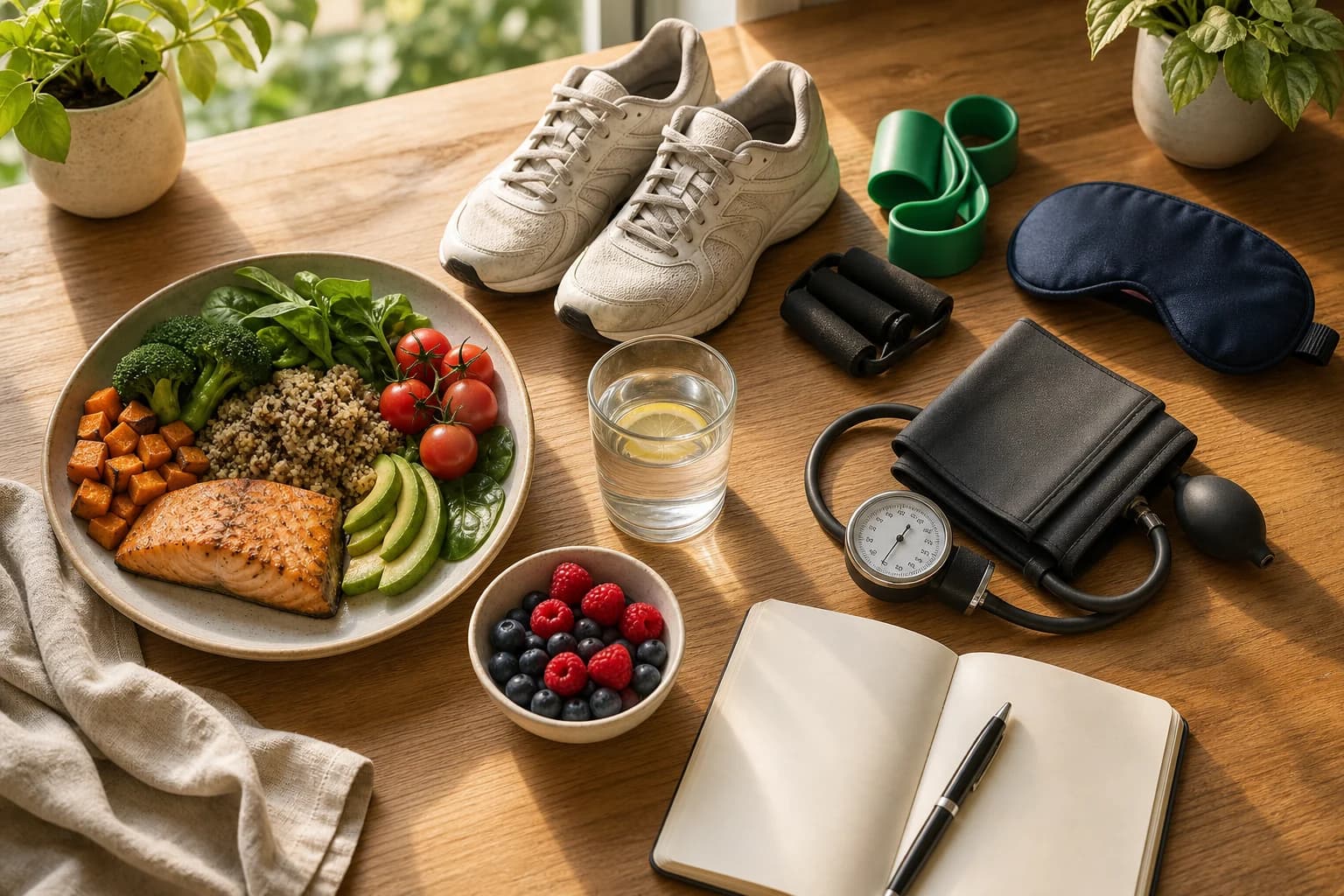
The foundations overlap. That is the point.
Sleep affects appetite, libido, blood pressure, mood, training recovery, pain, and decision-making. Strength training affects glucose control, confidence, balance, bone, sexual function, and independence. Social isolation affects stress, mental health, health behaviors, and whether someone seeks care.
Healthspan is not a collection of isolated tips. It is a network.
The 10 Healthopathy foundations
| Claim | Evidence | Practical meaning | Caution |
|---|---|---|---|
| Daily movement | Strong public-health consensus supports regular physical activity for heart, metabolic, mental, sleep, and functional health. | Walk, cycle, climb stairs, garden, dance, swim, play sport, commute actively, or move in any way you can repeat. | Chest pain, fainting, severe breathlessness, pregnancy concerns, or long inactivity may need clinical guidance before demanding exercise. |
| Strength, balance, and mobility | Strong evidence supports muscle-strengthening work as part of adult physical activity guidance. | Train pushing, pulling, squatting, hinging, carrying, rising from the floor, and balance in a safe progression. | Pain, frailty, osteoporosis, major joint disease, or recent injury may require supervised modification. |
| Food pattern | Strong guidance favors vegetables, fruits, legumes, whole grains, nuts or seeds when appropriate, adequate protein, and less excess sodium, free sugar, and unhealthy fats. | Build culturally familiar meals around protein, fiber-rich plants, minimally processed staples, and water most of the time. | Diabetes, kidney disease, pregnancy, eating disorders, allergies, and medication interactions need personal advice. |
| Sleep and circadian rhythm | Strong evidence connects sleep with mood, attention, metabolism, heart health, immunity, and safety. | Protect a repeatable sleep window, morning light, caffeine timing, wind-down, and sleep-disorder awareness. | Persistent insomnia, loud snoring, pauses in breathing, or severe daytime sleepiness deserve medical evaluation. |
| Cardiometabolic basics | Strong evidence connects blood pressure, blood sugar, lipids, tobacco, movement, food, sleep, and weight context with chronic disease risk. | Know your blood pressure and basic risk markers instead of guessing from how healthy you feel. | Numbers need proper measurement and clinical context. Do not self-medicate based on internet advice. |
| Tobacco, alcohol, and exposure | Strong evidence links tobacco to major disease and premature death; alcohol risk depends on dose and context. | Quitting tobacco support often outranks almost any advanced longevity tactic. | Nicotine, alcohol, drugs, and withdrawal can require qualified support. |
| Stress regulation and mental health | Moderate to strong evidence supports stress management, mental health care, and social support as part of whole-person health. | Use practices that calm your nervous system without pretending they cure everything. | Trauma, panic, severe depression, suicidal thoughts, psychosis symptoms, or abuse need professional and urgent support where appropriate. |
| Prevention and medical care | Strong public-health guidance supports screening, vaccines, dental care, medication review, and risk-based care. | A checkup, blood pressure reading, vaccine, cancer screening, dental visit, STI test, or medication adjustment can protect decades. | Lifestyle content should not delay diagnosis or treatment. |
| Relationships, purpose, and culture | Evidence links social isolation and loneliness with worse physical, mental, and cognitive health outcomes. | Build repeated connection rituals, not just vague intentions to socialize more. | Some relationships are unsafe. Connection should not mean tolerating coercion, violence, or humiliation. |
| Sexual wellbeing | WHO frames sexual health as physical, emotional, mental, and social wellbeing, not only absence of disease. | Pain, desire, erectile changes, menopause, consent, STI prevention, fertility goals, and relationship safety belong in healthspan. | Sudden sexual-function changes, pain, bleeding, coercion, or possible STI exposure need appropriate care. |
Foundation 1: Daily movement
Daily movement is the foundation most people underrate because it sounds too simple.
Do not confuse simple with weak. Regular movement touches almost every system that matters for healthspan: blood flow, glucose handling, blood pressure, mood, sleep pressure, pain sensitivity, appetite, digestion, balance, libido, and identity. A person who moves every day is also practicing being someone who acts on their health before crisis arrives.
Public-health guidance commonly gives adults a weekly target: at least 150 minutes of moderate-intensity aerobic activity, or 75 minutes of vigorous activity, plus muscle-strengthening work. But a useful plan does not begin by shaming people who are far from that. It begins by making movement repeatable.
If you are inactive, the first win may be a 10-minute walk after one meal. If you are already active, the next win may be adding hills, cycling, swimming, intervals, sport, or longer Zone 2 work. If you have pain or disability, the best movement may be seated exercise, water-based work, physical therapy, or supervised training.
Movement is not one aesthetic. It is a relationship with the body.
Foundation 2: Strength, balance, and mobility
Cardio helps you move through life. Strength helps you keep the life you are moving through.
Muscle is not just appearance. It is a glucose sink, a fall-protection tool, a joint-support system, a recovery reserve during illness, and a marker of whether everyday tasks stay easy or become negotiations. Carrying groceries, climbing stairs, lifting a child, getting off the floor, opening jars, traveling, gardening, sex, and independence all require force.
The minimum standard is not bodybuilding. The minimum standard is progressive, safe exposure to load.
A useful full-body pattern includes:
- Squat or sit-to-stand
- Hinge or hip-dominant movement
- Push
- Pull
- Carry
- Core control
- Balance
- Mobility for joints you actually use
Two sessions per week can be enough to start. Bodyweight, resistance bands, machines, dumbbells, kettlebells, barbells, household objects, and supervised classes can all work. The best tool is the one you can use safely and repeat.
Strength starting points by current ability
| Starting point | Good first move | Progression | Safety guardrail |
|---|---|---|---|
| Very inactive or older beginner | Sit-to-stand, wall push-ups, supported rows, light carries, balance near support. | Add repetitions first, then range, then resistance. | Stop for chest pain, dizziness, unusual shortness of breath, or sharp pain. |
| Busy adult with no gym | Two 25-minute home sessions: squat, hinge, push, pull, carry, plank or dead bug. | Add one set or a heavier band when form is steady. | Keep two easier reps in reserve instead of forcing failure. |
| Already active but cardio-only | Two full-body strength days around existing cardio. | Track load, reps, and how joints feel for 6 to 8 weeks. | Do not add hard strength and hard cardio volume in the same week if recovery is poor. |
| Pain, frailty, pregnancy, or medical complexity | Get personalized clearance or supervised adaptation. | Build slowly around safe ranges and symptoms. | A generic online program is not enough for higher-risk situations. |
Foundation 3: Food pattern, not diet identity
Longevity nutrition gets ruined when people turn food into tribe warfare.
The useful question is not "Which diet has the best branding?" The useful question is "What eating pattern can support my energy, metabolic health, muscle, digestion, culture, budget, and medical needs without making my life smaller?"
Across many health-promoting patterns, the overlap is boring in the best way:
- More vegetables and fruits
- More legumes, whole grains, and fiber-rich staples where tolerated
- Enough protein across the day
- Mostly unsaturated fat sources
- Less excess sodium
- Less free sugar and sugary drinks
- Less trans fat and highly processed food dependence
- Water as the default drink
- Meals that fit culture and budget
That can look Indian, Mediterranean, Japanese, Mexican, West African, Middle Eastern, Caribbean, Nordic, vegetarian, mixed, halal, kosher, low-cost, family-style, or completely local. Healthopathy should not flatten the world into one plate photo.
The mistake is making food advice either too soft or too rigid.
Too soft says "just eat clean" and gives no usable structure.
Too rigid says every person should fast, avoid carbs, eat the same protein target, follow the same cuisine, or buy the same products.
The better middle is a pattern: protein plus fiber-rich plants plus minimally processed staples plus healthy fats plus water, adjusted for medical needs.
Foundation 4: Sleep and circadian rhythm
Sleep is not the reward after productivity. Sleep is part of the machinery that makes health possible.
Bad sleep can make almost every other foundation harder. It can increase hunger and cravings, reduce training recovery, worsen mood, lower pain tolerance, affect libido, raise accident risk, and make self-control feel like a personality flaw when it is actually biology.
Most adults need at least 7 hours. Older adults often still need 7 to 8 hours. Quality matters too: sleep that is fragmented by alcohol, untreated sleep apnea, pain, anxiety, caregiving, night shifts, or noise may not restore the body well even if the clock says enough time passed.
A practical sleep foundation includes:
- A realistic sleep and wake window
- Morning outdoor light when possible
- Caffeine timing that does not steal sleep
- Less alcohol near bedtime
- A room that is dark, cool enough, and quiet enough where possible
- A wind-down ritual that does not require perfection
- Medical attention for persistent sleep problems or sleep apnea signs
Do not let sleep trackers turn rest into a test you fail every morning. Use data if it helps you notice patterns. Step away if it makes you anxious.
Foundation 5: Cardiometabolic basics
You cannot feel your blood pressure accurately.
That sentence alone could protect more healthspan than a dozen expensive wellness trends.
Cardiometabolic health includes blood pressure, blood sugar, lipids, waist context, weight history, family history, smoking exposure, alcohol, sleep, activity, kidney health, liver health, medications, and symptoms. It is not just body weight. It is not just cholesterol. It is not just glucose. It is the risk network behind heart disease, stroke, diabetes, kidney disease, sexual function changes, and cognitive health.
The first step is not panic. The first step is knowing.
Useful basics to discuss with a qualified clinician when appropriate:
- Blood pressure measured correctly
- Lipids
- Blood glucose or HbA1c when indicated
- Kidney and liver markers when indicated
- Medication review
- Family history
- Sleep apnea symptoms
- Waist and weight history without shame
- Tobacco and alcohol exposure
- Chest pain, breathlessness, fainting, swelling, or sudden exercise intolerance
Lifestyle is powerful. Lifestyle is not a replacement for care when care is needed.
Foundation 6: Tobacco, alcohol, and environmental exposure
If someone smokes, quitting support is often a higher-return longevity move than almost anything in the wellness market.
That does not mean quitting is easy. Nicotine is addictive. Stress, social setting, work, trauma, advertising, and habit loops all matter. But the evidence burden here is not subtle: tobacco harms nearly every organ system and contributes to cancer, heart disease, stroke, lung disease, fertility problems, immune harm, and premature death.
Alcohol needs honesty too. Some wellness content still treats alcohol as neutral if it feels culturally normal. But alcohol can affect sleep, blood pressure, liver health, cancer risk, injury, mood, medications, sexual function, fertility, and relationships. The safer move is to reduce exposure, avoid binge patterns, and be especially careful when there is liver disease, pregnancy, addiction history, mental health risk, sleep problems, interacting medications, or unsafe behavior.
Environmental exposure is harder because it is not always under personal control. Air quality, heat, unsafe work, indoor smoke, pollution, violence, contaminated water, and poor housing are not solved by telling people to be disciplined. A global health brand has to say that clearly.
Personal responsibility matters. So do conditions.
Foundation 7: Stress regulation and mental health
Stress regulation is not "just relax."
It is the ability to move your nervous system out of constant alarm often enough that sleep, digestion, libido, relationships, pain, blood pressure, and decision-making have a chance.
The useful tools vary by person:
- Walking
- Prayer
- Meditation
- Breath practice
- Therapy
- Journaling
- Music
- Yoga or tai chi
- Strength training
- Time outdoors
- Honest conversation
- Community rituals
- Boundaries
- Medication when clinically appropriate
No single tool should be sold as universal. Meditation helps some people. It can make some people feel worse, especially if stillness brings up panic, trauma, dissociation, or painful memories. Exercise can help mood but can also become compulsive. Prayer and community can be healing but can also be harmful if a person is shamed or controlled.
The standard is not whether a practice is fashionable. The standard is whether it reduces harm and increases capacity.
Foundation 8: Prevention and medical care
Prevention is not weakness. Prevention is healthspan strategy.
This is where a lot of wellness brands become dangerous. They imply that needing medication, screening, therapy, vaccines, STI testing, dental care, pelvic care, blood pressure treatment, diabetes care, or sleep apnea treatment means you failed the natural lifestyle test.
That is nonsense.
Medical care is one of the reasons many people now survive infections, childbirth complications, injuries, cancers, heart events, autoimmune disease, diabetes, HIV, high-risk pregnancy, and conditions that used to destroy lives earlier. A serious longevity brand respects medicine and still admits where medicine can be inaccessible, rushed, biased, expensive, or confusing.
Both can be true.
Good prevention includes:
- Knowing your family history
- Staying current on age- and risk-appropriate screenings
- Vaccines based on local guidance and personal risk
- Dental care
- Eye and hearing care when relevant
- Medication review
- STI testing when relevant
- Blood pressure checks
- Sleep apnea evaluation when signs are present
- Care for pain, bleeding, sudden changes, or unexplained symptoms
The best habit is sometimes making the appointment you have avoided.
Foundation 9: Relationships, purpose, and culture
Longevity content talks a lot about cells and not enough about belonging.
That is a mistake.
People keep habits inside relationships. A walking partner, family meal, faith community, sports group, dance class, group chat, therapist, neighbor, partner, club, volunteer role, or trusted clinician can change whether a healthy action happens at all. Isolation can make risk feel normal. Connection can make care possible.
Purpose does not have to be dramatic. It can be raising children, supporting parents, doing meaningful work, serving a community, creating art, practicing faith, learning, teaching, gardening, cooking, protecting health, or becoming a steadier person.
Culture matters because health does not happen in a blank room. Food, gender roles, sex, rest, aging, body size, family obligation, spirituality, medicine, and exercise all carry cultural meanings. Healthopathy should translate evidence into different cultural lives instead of pretending one Western wellness aesthetic is universal.
But culture should not be used to excuse harm. Tradition deserves respect. It also deserves scrutiny when it protects silence around pain, coercion, abuse, delayed care, stigma, or inequality.
Foundation 10: Sexual wellbeing
Sexual health belongs inside healthspan because people live inside bodies, relationships, hormones, blood vessels, nervous systems, culture, and privacy.
Sexual wellbeing is not the same as being sexually active. A person can be healthy and not currently want sex. The point is that sexual function, pain, desire, consent, fertility goals, contraception, STI prevention, menopause, erectile changes, pelvic health, trauma, medication effects, body image, and relationship safety are legitimate health topics.
The wrong approach reduces sexual health to performance.
The better approach asks:
- Is there pain?
- Is there safety?
- Is there consent?
- Is there shame?
- Is there a sudden change?
- Is there possible infection risk?
- Is sleep, mood, alcohol, medication, or stress involved?
- Could erectile change point to vascular or metabolic risk?
- Could menopause, postpartum changes, pelvic floor issues, or hormonal shifts be part of the picture?
- Is a product being used to avoid a needed care conversation?
A longevity brand that ignores sexual health is not whole-person. A sexual health brand that ignores cardiovascular, metabolic, mental, relational, and cultural health is also incomplete.
How to build your first 30 days
Do not try to fix all 10 foundations at once. That is how people turn health into a stressful second job.
Pick a small base and make it real.
A 30-day healthspan base
| Week | Primary focus | What to do | What to notice |
|---|---|---|---|
| Week 1 | Movement floor | Walk 10 to 30 minutes most days, or use the closest safe movement available to you. Break it into smaller pieces if needed. | Energy, mood, sleep pressure, joint response, and the easiest time of day to repeat it. |
| Week 2 | Food and sleep anchor | Add a protein source and fiber-rich plant food to two meals. Choose one repeatable sleep and wake window. | Hunger, digestion, evening cravings, morning alertness, and whether the plan fits your household. |
| Week 3 | Strength and prevention | Do two short strength sessions. Complete one delayed care action: blood pressure check, screening, dental visit, STI test, medication review, or symptom appointment. | Confidence, pain, recovery, and whether a basic health number changes what you need next. |
| Week 4 | Connection and review | Have one honest health conversation and repeat the two habits that gave the biggest return. | What felt useful, what felt performative, and what you can keep during a messy week. |
The goal is not a perfect month. The goal is evidence from your own life.
Which habit actually fits? Which one created the most energy? Which one revealed a medical question? Which one made your day calmer? Which one collapsed under stress? Which one should become smaller?
The routine that survives real life beats the impressive plan you abandon.
What not to obsess over yet
Some tools are useful later. They are just not first.
Advanced longevity tools: when to wait
| Claim | Evidence | Practical meaning | Caution |
|---|---|---|---|
| Biological-age tests | Emerging. Useful in research and possibly helpful for tracking, but not a full measure of healthspan. | Consider only after basic risks, habits, and symptoms are already being addressed. | A methylation estimate should not outrank blood pressure, function, sleep, clinical care, or how you feel. |
| Continuous glucose monitors for healthy people | Useful for diabetes care; mixed as a general wellness tool outside specific indications. | Can teach some patterns, especially with medical context. | Can create food fear and overinterpret normal variation. |
| Supplement stacks | Mixed. Some nutrients help specific deficiencies or indications; broad anti-aging stacks are often overclaimed. | Use targeted supplements only when the reason, dose, risk, and interactions are clear. | Natural does not mean safe, especially with medications, pregnancy, liver or kidney disease, or surgery. |
| Long fasts | Mixed and context-dependent. | May interest some metabolically healthy adults under appropriate guidance. | Avoid casual fasting advice for pregnancy, eating-disorder history, diabetes medications, frailty, adolescents, or heavy training demands. |
| Heat, cold, and extreme recovery tools | Interesting but not foundation-level for most people. | Can be optional rituals for some adults. | Heart disease, blood pressure issues, pregnancy, fainting risk, and medications can change safety. |
The question is not "Is this tool bad?" The question is "Is this tool my next highest-return move?"
For most people, the answer is no until the base is stronger.
When to seek care before self-experimenting
Healthspan content should never train people to ignore symptoms.
Seek urgent local care for emergency symptoms such as chest pain, signs of stroke, severe breathing trouble, fainting with concern, severe allergic reaction, suicidal danger, heavy bleeding, severe injury, or sudden severe pain.
Seek qualified medical guidance before major changes if you have:
- Known heart disease or stroke history
- Chest pain, fainting, or severe breathlessness
- Pregnancy or postpartum concerns
- Diabetes, kidney disease, liver disease, or uncontrolled blood pressure
- Eating-disorder history
- Frailty, major osteoporosis, or high fall risk
- Severe depression, trauma symptoms, or panic
- Medication use with possible diet, supplement, alcohol, or exercise interactions
- Sudden erectile dysfunction, genital pain, bleeding, discharge, or possible STI exposure
- Persistent insomnia, loud snoring, pauses in breathing, or severe daytime sleepiness
This is not fear. This is maturity.
The internet is good at information. It is bad at examining your body, reading your labs, knowing your medication list, seeing your social situation, and making a diagnosis.
The bottom line
The 10 foundations of healthspan are not a checklist for becoming perfect. They are a map for becoming less fragile over time.
Move daily. Build strength. Eat in a way your body and culture can live with. Protect sleep. Know your cardiometabolic basics. Take tobacco and alcohol seriously. Regulate stress without pretending it solves everything. Use preventive care. Build connection and purpose. Treat sexual wellbeing as real health.
Then, and only then, decide whether advanced tools deserve your money, time, and attention.
Longevity is not about collecting the most interventions. It is about protecting the capacity to live.