The short answer
Erectile dysfunction is not a character flaw, a masculinity test, or proof that a relationship is broken.
It is a health signal.
Sometimes the signal is simple: poor sleep, alcohol, stress, performance pressure, a new medicine, relationship tension, or a bad week. Sometimes it points toward something more important: high blood pressure, diabetes, cholesterol problems, vascular disease, nerve injury, depression, sleep apnea, low testosterone in the right clinical context, pelvic surgery, smoking, or medication side effects.
The mistake is treating ED as either "nothing" or "just buy a pill."
The better approach is calmer: notice the pattern, check the whole-health context, talk to a clinician if it persists or causes distress, and avoid unregulated "male enhancement" products. Real treatment exists, but the safest plan depends on the cause, cardiovascular risk, medicines, and what the person actually wants from sex.

What erectile dysfunction actually means
Erectile dysfunction means a person has repeated difficulty getting or keeping an erection firm enough for satisfying sex.
That definition matters because one difficult night does not automatically mean ED. Erections are affected by sleep, stress, alcohol, conflict, distraction, illness, fatigue, grief, new partners, fear of pregnancy or infection, religious or cultural pressure, body image, porn habits, pain, aging, and ordinary life chaos.
A single episode can be human. A repeated pattern deserves attention.
ED can look like:
- Difficulty getting an erection at all
- Losing an erection before or during sex
- Erections that are less firm than before
- Fewer morning or night erections
- Anxiety because the problem keeps repeating
- Avoiding sex because of fear, embarrassment, or pressure
ED also does not always mean low desire. Desire and erection are related, but they are not the same thing. A man may want sex and still have erectile difficulty. Another person may have erections but low desire, low arousal, pain, trauma responses, or relationship avoidance. A serious sexual-health site has to separate those instead of turning every concern into one "performance" bucket.
Why ED can be a health signal
An erection is not only a sexual event. It depends on blood vessels, nerves, hormones, smooth muscle, mood, attention, sleep, medication effects, relationship safety, and enough privacy for the nervous system to allow arousal.
That is why ED can show up when one part of the system is under pressure.
The penis has blood vessels too. If blood vessels are affected by smoking, diabetes, high blood pressure, high LDL cholesterol, obesity, vascular disease, or inflammation, erections may change before a person has obvious heart symptoms. That does not mean every man with ED has heart disease. It means new or persistent ED should not be dismissed as "just aging" without checking cardiovascular and metabolic risk.
The same whole-body logic applies to nerves and hormones. Diabetes can affect nerves and blood vessels. Pelvic surgery or radiation can affect nerves. Some antidepressants, blood pressure medicines, prostate medicines, opioids, anti-androgen therapy, and other drugs can affect erection or desire. Poor sleep and sleep apnea can reduce energy, testosterone rhythms, mood, and vascular health. Depression can reduce desire and arousal. Anxiety can make the body monitor itself instead of entering sex.
The useful question is not "Is it physical or psychological?"
The useful question is "Which mix of body, mind, medicine, relationship, and environment is most likely here?"
Common ED signals and what they can mean
| Claim | Evidence | Practical meaning | Caution |
|---|---|---|---|
| ED can overlap with cardiovascular and metabolic risk | Clinical consensus and epidemiology connect persistent ED with blood-vessel health, diabetes, hypertension, cholesterol, smoking, and future cardiovascular risk in some men. | A health review should usually include blood pressure, diabetes risk, lipid risk, activity, smoking, weight pattern, and family history. | ED is not a heart-disease diagnosis by itself. It is a reason to check risk instead of guessing. |
| ED can be medication-related | Medical references list several medicine classes that may contribute to erection problems in some people. | Bring a complete medication and supplement list to the appointment before stopping anything. | Never stop blood pressure, heart, depression, prostate, or hormone medicines on your own. |
| Stress and performance anxiety can maintain ED | Arousal is affected by the nervous system, attention, fear, relationship pressure, depression, anxiety, and past experiences. | Reducing pressure, improving communication, and treating anxiety or depression can be part of real care. | Do not label ED as 'all in your head' before checking physical contributors. |
| Sleep, alcohol, and lifestyle can matter | ED risk overlaps with sleep quality, alcohol use, smoking, inactivity, diet quality, and cardiometabolic health. | The first month can focus on sleep regularity, walking, strength, less alcohol, and not smoking while medical checks are arranged. | Lifestyle work is not a substitute for urgent symptoms or persistent distress. |
When to get urgent help
Most ED is not an emergency.
Some situations are different.
There is another safety rule: do not use ED medicines casually if you have unstable heart symptoms, have been told to avoid sex because of a heart condition, use nitrates such as nitroglycerin, or use recreational "poppers" containing nitrates. PDE5 inhibitors can dangerously lower blood pressure when combined with nitrates.
That does not mean ED medicines are bad. It means they need the right context.
What a clinician should usually check
A useful ED visit is not only "try this pill."
The visit should build a picture.
ED health review: what is worth checking
| Area | What to discuss or measure | Why it matters | What not to do |
|---|---|---|---|
| Pattern | When it started, whether it is sudden or gradual, morning erections, firmness, ejaculation, desire, pain, curvature, and whether it happens alone, with a partner, or both. | Pattern helps separate vascular, nerve, hormonal, medication, anxiety, relationship, and situational contributors. | Do not reduce the whole story to 'performance' or age. |
| Cardiometabolic risk | Blood pressure, diabetes risk or A1C, cholesterol, weight pattern, waist pattern, activity, smoking, family history, and heart symptoms. | Erections depend on vascular health, and ED may be a useful warning sign in some men. | Do not ignore chest symptoms, breathlessness, fainting, or exertional pain. |
| Medicines and substances | Prescription medicines, over-the-counter drugs, supplements, testosterone products, alcohol, nicotine, cannabis, opioids, stimulants, and recreational drugs. | Some medicines and substances can contribute to ED or make treatment unsafe. | Do not stop essential medicines without the prescriber. |
| Sleep and stress | Sleep duration, snoring, possible sleep apnea, shift work, anxiety, depression, grief, burnout, trauma, and performance pressure. | The nervous system and sleep quality can strongly affect arousal and erection. | Do not use meditation or self-help to tolerate an unsafe relationship or severe depression. |
| Hormones when indicated | Symptoms such as low desire, fatigue, reduced morning erections, infertility concerns, testicular problems, pituitary symptoms, or opioid/anabolic steroid use. | Testosterone can matter for some men, but it is not the explanation for every ED case. | Do not start testosterone because of an ad, gym advice, or one vague symptom. |
The heart connection, explained without panic
The heart connection is important, but it needs to be explained carefully.
ED does not mean "you are about to have a heart attack." That would be irresponsible fear marketing.
It also does not mean "just relax." That would miss a serious opportunity.
Blood-vessel health affects erections. The arteries involved in erection are smaller than major coronary arteries, so vascular problems may become noticeable in sexual function before they become obvious during daily life. For a man with new ED and risk factors such as diabetes, high blood pressure, smoking, high cholesterol, obesity, sedentary life, or family history, ED can be the prompt that finally gets blood pressure, labs, and heart risk reviewed.
This is especially important for younger men, because "I am too young for heart risk" can be a dangerous assumption. A younger person with persistent ED, smoking, high blood pressure, diabetes, severe sleep apnea, stimulant use, anabolic steroid use, or strong family history deserves a real review.
Practical translation:
- If ED is occasional and tied to a stressful week, watch the pattern and reduce pressure.
- If ED is persistent for weeks to months, schedule a health review.
- If ED is new, persistent, and you have cardiovascular risk factors, do not delay.
- If ED appears with chest pain, exertional symptoms, fainting, or neurologic symptoms, get urgent care.
This is not about scaring men. It is about using a private symptom as an early doorway into prevention.
Causes and contributors people miss
ED is often mixed-cause.
That is why quick internet answers are usually poor. A man may have mild vascular risk, poor sleep, anxiety after one failed erection, alcohol on weekends, a blood pressure medicine, and relationship tension at the same time. Which one is "the cause"? Maybe none alone. Maybe the stack is the problem.
Less obvious contributors to ask about
| Contributor | How it can show up | Useful next step |
|---|---|---|
| Sleep apnea | Loud snoring, witnessed pauses, morning headaches, daytime sleepiness, high blood pressure, low energy, low libido. | Ask whether sleep apnea screening is appropriate, especially with snoring or resistant blood pressure. |
| Alcohol | Good desire but poor erection after drinking, weaker morning erections, worse sleep, relationship conflict. | Try a few alcohol-free weeks and track erection, sleep, mood, and energy. |
| Porn-performance loop | Arousal feels easier with specific online content than with a real partner, followed by pressure or comparison. | Reduce pressure, change stimulation habits if needed, and focus on partnered arousal, communication, and therapy if stuck. |
| Depression or anxiety | Low desire, avoidance, self-monitoring during sex, intrusive worry, loss of pleasure, fatigue. | Treat mental health as health care, not as a personal weakness. |
| Pelvic pain or curvature | Pain, bend, lump, fear of penetration, pain after sex, or avoiding positions. | See a urologist; pain and curvature need evaluation rather than force. |
| Anabolic steroid or testosterone misuse | Testicular shrinkage, infertility concerns, mood changes, acne, sleep issues, dependence on cycles. | Be honest with the clinician. Hidden hormone use changes the workup and safety plan. |
Testosterone: important, but overmarketed
Low testosterone can contribute to low desire, fewer spontaneous erections, low energy, reduced muscle mass, depressed mood, infertility concerns, or ED in some men.
But testosterone is not the answer to every erection problem.
Many men with ED have normal testosterone. Many men with low desire have stress, depression, poor sleep, relationship strain, medication effects, alcohol use, chronic illness, or body-image distress. Many men are sold testosterone because it is profitable, not because it is the right diagnosis.
A responsible approach:
- Test only when symptoms and context make it reasonable.
- Use proper lab timing and repeat testing when needed.
- Ask about fertility goals before treatment.
- Check for sleep apnea, medication effects, obesity, alcohol, opioids, anabolic steroid history, and pituitary symptoms.
- Do not buy testosterone, "boosters," or hormone stacks online.
Testosterone therapy can carry risks and monitoring needs. It is not a wellness supplement.
Treatments that are real
ED treatment should match the cause and the person's goals.
Some people want penetrative sex. Some want intimacy without intercourse. Some want less anxiety. Some want to recover after surgery. Some want to understand whether ED is a warning sign. Some want to protect a relationship. A good plan starts there.
Real options may include:
- Treating underlying causes such as diabetes, blood pressure, sleep apnea, depression, medication side effects, pain, or relationship stress
- Lifestyle foundations such as walking, strength training, better sleep, stopping smoking, alcohol reduction, and cardiometabolic care
- Counseling or sex therapy when anxiety, depression, trauma, communication, or pressure is central
- PDE5 inhibitor medicines when appropriate and safe
- Vacuum erection devices
- Pelvic floor physical therapy in selected cases
- Hormone treatment only when clearly indicated
- Urology care for curvature, pain, severe ED, post-surgery ED, or treatment failure
- Devices, injections, or implants in selected cases under specialist care
What not to buy
This is where a lot of websites betray the reader.
They create fear, sell a supplement, add a tiny disclaimer, and call it health education.
Healthopathy should not do that.
Unregulated "male enhancement" products can be dangerous because some contain hidden drug ingredients, including sildenafil or tadalafil, without proper labeling or medical supervision. That matters because these ingredients can interact with nitrates and other medicines, lower blood pressure dangerously, and create risk for people with heart disease, diabetes, high blood pressure, or cholesterol problems.
Be suspicious of any product that promises:
- Instant permanent hardness
- Penis enlargement
- "No doctor needed"
- "Works better than prescription"
- Secret herbs that treat ED
- Celebrity or fake doctor endorsements
- Before-after claims
- Aggressive affiliate pages with no medical review
The 30-day reset before or while you book care
This is not a cure protocol.
It is a way to gather better information and remove obvious friction while you arrange care, especially if the ED is persistent, new, distressing, or paired with health risk factors.
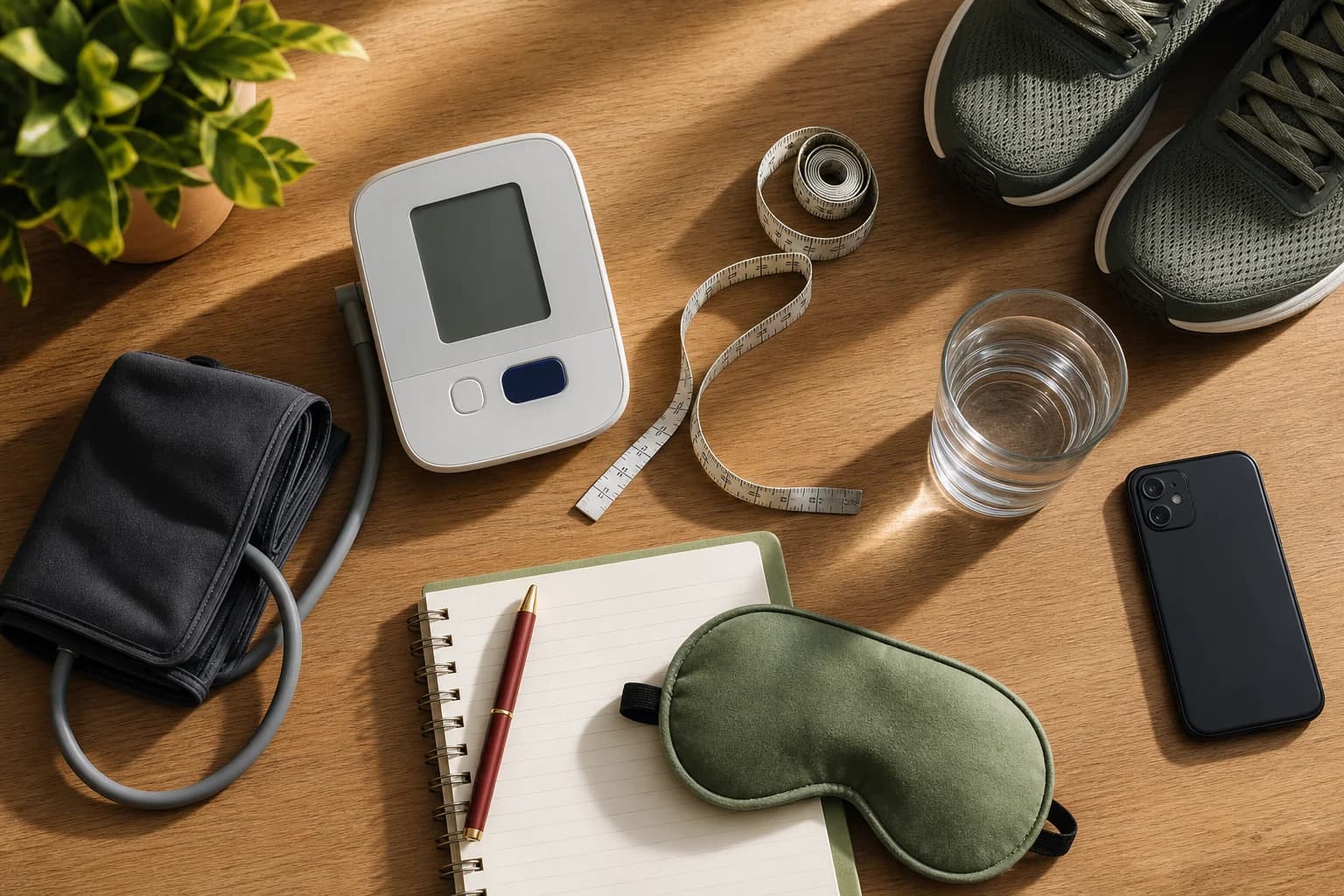
30-day ED health review
| Week | Focus | What to do | What to write down |
|---|---|---|---|
| Week 1 | Pattern and safety | Write when ED happens, whether morning erections changed, any pain, curvature, chest symptoms, new medicines, or relationship pressure. | Start date, sudden vs gradual, severity, morning erections, pain, desire, ejaculation, stress level. |
| Week 2 | Cardiometabolic basics | Check home blood pressure if available, schedule labs if advised, walk most days, and reduce long sitting. | Blood pressure readings, activity minutes, exertional symptoms, smoking or nicotine use. |
| Week 3 | Sleep and substances | Set a consistent sleep window, reduce alcohol, avoid late heavy meals, and note snoring or daytime sleepiness. | Sleep duration, awakenings, alcohol, cannabis or other substances, morning energy. |
| Week 4 | Pressure and communication | Have one low-pressure conversation with a partner if safe. Remove intercourse as the only success metric for a while. | Anxiety level, what helps arousal, what creates pressure, what support would feel useful. |
If things improve, that is useful information. If they do not improve, you still have a clearer story for the clinician.
If symptoms are urgent, skip the 30-day experiment and seek care.
How to talk about it without making it worse
ED often becomes worse when everyone silently pretends it is not happening.
The goal is not a dramatic confession. The goal is to reduce fear and pressure.
Useful language:
- "My body has been inconsistent lately, and I want to check my health rather than panic."
- "I am attracted to you. I do not want this to become pressure between us."
- "Can we take intercourse off the scoreboard for a bit and focus on closeness?"
- "I am going to book a health review because this has repeated."
- "I do not want to buy random pills online. I want to do this properly."
Less useful language:
- "I am broken."
- "You must not want me."
- "We need to force it tonight."
- "I will fix it secretly."
- "I just need something stronger."
For partners, the helpful stance is usually calm curiosity, not interrogation. Shame is bad medicine. Pressure is bad medicine. Avoidance is also bad medicine.
A global view: culture changes how ED is handled
In many families and cultures, men are taught to stay silent about sexual difficulty. Some fear being judged as weak. Some fear losing a partner. Some fear religious shame. Some do not have privacy at home. Some live in places where sexual-health care is hard to access. Some search in another language and find only supplement spam, pornography, or jokes.
That is exactly why Healthopathy's ED content cannot be written like a Western clinic pamphlet only.
A global ED page has to say:
- You are not the first person this has happened to.
- You do not have to discuss every detail publicly.
- You should still get health checks when the pattern persists.
- You deserve care without humiliation.
- Supplements and secret pills are not safer just because they avoid a clinic visit.
- Sexual health is health, even when culture makes it hard to say out loud.
Privacy matters. Dignity matters. Evidence matters.
What to bring to the appointment
The appointment gets better when you bring the right details.
Appointment checklist
| Bring this | Why it helps |
|---|---|
| A timeline | When it started, whether it was sudden, whether it is getting worse, and whether there was a trigger. |
| Medication and supplement list | Include blood pressure medicines, antidepressants, prostate medicines, hair-loss medicines, opioids, hormones, sleep aids, recreational drugs, and sexual enhancement products. |
| Cardiometabolic history | Blood pressure, diabetes or prediabetes, cholesterol, heart symptoms, smoking, weight change, family history, and activity level. |
| Sexual pattern | Morning erections, erections alone versus with a partner, desire, ejaculation, pain, curvature, anxiety, and relationship context. |
| Safety questions | Ask whether sex is safe for your heart status, whether ED medicines are safe with your medicines, and when you should seek urgent care. |
You do not need perfect words. You can start with: "I am having repeated erection difficulty, and I want to check whether it is connected to my health or medicines."
That is enough.
The bottom line
ED is common. ED is often treatable. ED is also useful information.
The premium approach is not panic, shame, or supplement sales. It is pattern recognition, medical safety, cardiometabolic prevention, honest communication, and treatment that fits the person.
If ED is occasional, you may need less pressure and better recovery. If it persists, causes distress, or appears with risk factors, it deserves a proper health review. If it appears with chest pain, fainting, stroke-like symptoms, severe pain, trauma, or an erection lasting 4 hours or longer, treat it as urgent.
Healthopathy's position is simple: sexual function belongs inside whole-health care. The body is allowed to speak before it breaks.